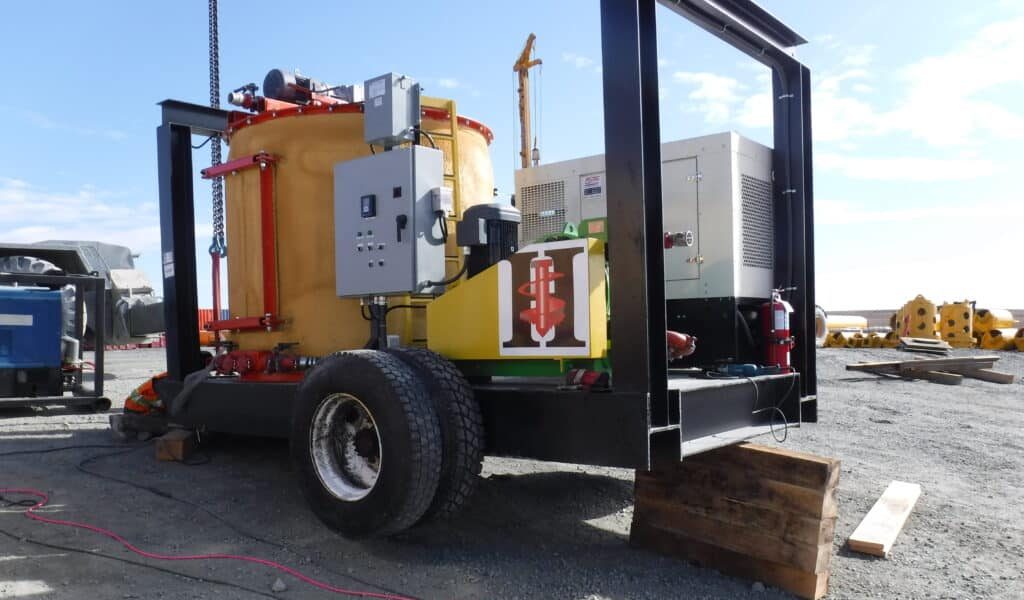

Soil cement mixers play a crucial role in ground improvement projects, offering an efficient and cost-effective solution for stabilizing soil and enhancing its load-bearing capacity. These machines are designed to blend soil with cement uniformly, creating a composite material that significantly improves the strength, durability, and resistance of the ground. Understanding how to select and operate a soil cement mixer is essential for engineers and contractors aiming to achieve optimal results in various construction scenarios.
The primary function of a soil cement mixer is to combine natural or engineered soils with predetermined amounts of cement and water. This process transforms weak or loose soils into a more stable base suitable for foundations, roadways, embankments, or other infrastructure projects. The mixing equipment varies from portable drum mixers for small-scale applications to large rotary mixers capable of handling substantial volumes on-site. Choosing the right type depends on project size, soil conditions, accessibility, and budget constraints.
When selecting a soil cement mixer for ground improvement tasks, several factors must be considered. First is the consistency required in mixing; uniform blending ensures that every particle of soil receives adequate coating with cement slurry. Inconsistent mixes can lead to weak spots that compromise structural integrity over time. Therefore, mixers equipped with adjustable paddles or blades that provide thorough agitation are preferable.
Capacity also influences the choice of machinery. For extensive projects requiring continuous operation over large areas, high-capacity mixers reduce downtime by processing greater quantities efficiently. Conversely, smaller jobs may benefit from compact units that offer mobility without sacrificing performance.
Operational parameters such as mixing speed and duration affect the quality of the final product as well. Too rapid mixing might cause segregation where heavier particles settle unevenly while too slow could result in incomplete blending. Optimal speeds typically range between 20-50 revolutions per minute depending on machine design.
Proper maintenance routines ensure longevity and consistent output from these machines during demanding fieldwork conditions involving abrasive materials like sand or clay mixed with sharp aggregates.
In practical application scenarios like road subgrade stabilization or slope reinforcement at construction sites prone to erosion issues using soil-cement mixtures prepared by these specialized mixers enhances overall project durability while minimizing environmental impact compared to traditional methods relying solely on imported fill materials.