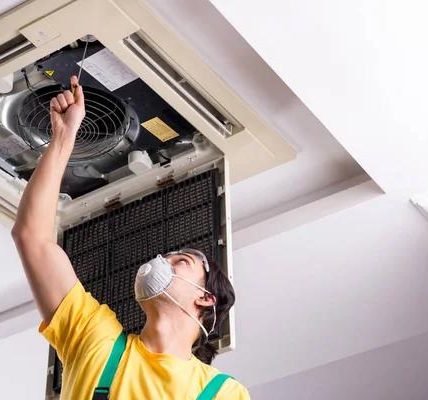
Maintaining an HVAC system properly is essential for reducing utility bills and ensuring efficient operation. Regular maintenance helps the system run smoothly, preventing unnecessary energy consumption that can lead to higher costs. One of the most effective practices is changing or cleaning air filters regularly. Dirty filters restrict airflow, causing the system to work harder and consume more electricity. Replacing filters every one to three months depending on usage can significantly improve efficiency.
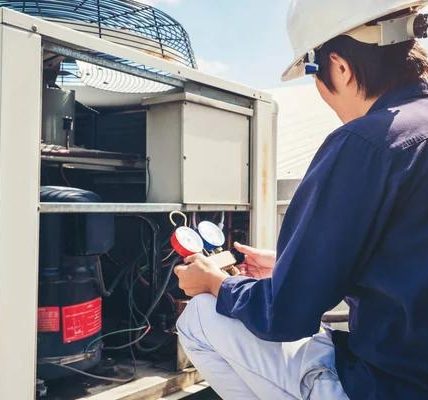
Another important aspect is scheduling routine professional inspections and tune-ups. Technicians can identify issues such as refrigerant leaks, worn-out parts, or electrical problems that may reduce performance and increase energy use. During these visits, they clean coils, check thermostat accuracy, lubricate moving components, and verify proper airflow throughout learn the key points ductwork. These measures help maintain optimal functionality while lowering power demand.
Sealing ducts properly also plays a crucial role in reducing utility expenses. Leaky ducts allow conditioned air to escape before reaching living spaces, forcing the HVAC unit to compensate by running longer cycles. Sealing gaps with mastic or metal tape ensures maximum delivery of heated or cooled air where it’s needed most without wasting energy in unconditioned areas like attics or crawl spaces.
Adjusting thermostat settings thoughtfully contributes further savings on monthly bills. Setting temperatures closer to outdoor conditions during extreme weather reduces strain on heating or cooling systems without sacrificing comfort too much. Using programmable thermostats enables automatic adjustments based on occupancy patterns so that energy isn’t wasted when rooms are unoccupied.
Cleaning condenser coils outside units improves heat exchange efficiency by removing dirt and debris buildup that acts as insulation against heat transfer processes inside the compressor system. Neglecting this cleaning causes systems to operate inefficiently over time leading to increased electricity consumption.
Ensuring adequate insulation around your home complements HVAC maintenance efforts by minimizing heat loss during winter and heat gain during summer months which directly impacts how hard your system must work to maintain desired indoor temperatures.
In summary, regular filter changes, professional tune-ups, duct sealing, smart thermostat use, coil cleaning, and proper home insulation all contribute significantly toward lowering utility bills through improved HVAC efficiency. Investing time in these maintenance practices not only extends equipment lifespan but also results in noticeable savings on energy costs year-round while maintaining comfortable indoor environments consistently for occupants’ benefit.