
Choosing a hearing aid is a significant decision that can greatly impact your communication, confidence, and overall quality of life. With numerous models, technologies, and features available today, many people find the selection process overwhelming. While online research can provide basic information, finding the right hearing aid requires a personalized approach that takes your hearing needs, lifestyle, and preferences into account.
When comparing different hearing aid brands, it is easy to focus solely on marketing claims or product features. However, what works exceptionally well for one person may not be the best choice for another. Factors such as the type of hearing loss, daily listening environments, and comfort requirements play a crucial role in determining the ideal solution.
This is where an experienced audiologist near you becomes invaluable. Audiologists do much more than conduct hearing tests; they help evaluate your unique hearing profile, explain available options, and guide you toward devices that are most likely to deliver successful long-term results.
Why Professional Guidance Matters
Many people assume that selecting a hearing aid is similar to buying other consumer electronics. In reality, hearing aids are highly specialized medical devices that require professional assessment and customization.
Audiologists understand the complexities of hearing loss and can interpret hearing test results accurately. They use this information to determine which technologies are most appropriate for a particular individual.
Without professional guidance, individuals may choose devices that:
- Provide insufficient amplification
- Lack necessary features
- Feel uncomfortable
- Fail to address specific hearing challenges
- Deliver disappointing performance
Professional support helps reduce the risk of selecting an unsuitable device and increases the likelihood of long-term satisfaction.
An audiologist’s goal is not simply to recommend a product but to improve communication and hearing outcomes.
Conducting a Comprehensive Hearing Evaluation
The hearing aid selection process begins with a detailed hearing assessment.
Audiologists perform a series of tests to evaluate:
- Hearing sensitivity
- Speech recognition ability
- Type of hearing loss
- Severity of hearing loss
- Hearing performance in different frequencies
These results provide essential information about the individual’s hearing needs.
For example, someone with mild high-frequency hearing loss may require a different solution than a person with moderate hearing loss across multiple frequencies.
The hearing evaluation serves as the foundation for all subsequent recommendations and helps narrow down suitable device options.
Without accurate diagnostic information, it would be difficult to identify the most effective hearing aid solution.
Matching Technology to Lifestyle Needs
One of the most important ways audiologists assist patients is by understanding how hearing challenges affect daily life.
Two people with identical hearing test results may require different hearing aids because their lifestyles differ significantly.
Audiologists often ask questions about:
- Work environments
- Social activities
- Family interactions
- Telephone use
- Television listening habits
- Outdoor activities
- Travel requirements
For example, a business professional who regularly attends meetings may benefit from advanced speech-enhancement technology, while a retiree who spends most of their time at home may have different priorities.
By evaluating lifestyle demands, audiologists help ensure that hearing aid recommendations align with real-world listening situations.
Explaining Features Across Different Brands
Modern hearing aids offer a wide range of features that can vary between manufacturers.
Audiologists help patients understand the practical benefits of these technologies rather than focusing solely on technical specifications.
Common features may include:
- Noise reduction systems
- Directional microphones
- Bluetooth connectivity
- Rechargeable batteries
- Smartphone integration
- Feedback suppression
- Artificial intelligence-assisted sound processing
Rather than overwhelming patients with technical jargon, audiologists explain how these features may improve everyday listening experiences.
For instance, a person who frequently speaks on the phone may prioritize connectivity features, while someone who attends social gatherings may benefit more from advanced background noise management.
This personalized explanation helps patients make informed decisions based on actual needs.
Evaluating Comfort and Physical Fit
Comfort is a critical factor that is sometimes overlooked during the decision-making process.
Even the most advanced hearing aid may not be successful if it is uncomfortable to wear.
Audiologists evaluate several physical factors, including:
- Ear anatomy
- Ear canal size
- Dexterity
- Vision limitations
- Cosmetic preferences
These considerations influence whether a person may be better suited for:
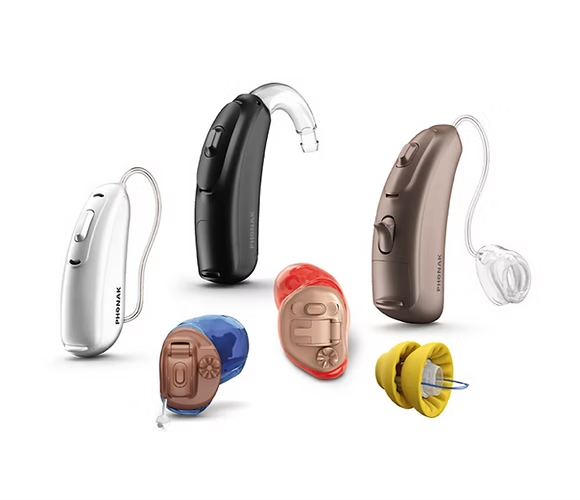
- Behind-the-ear devices
- Receiver-in-canal models
- In-the-ear devices
- Invisible hearing aids
A proper fit improves comfort, sound quality, and long-term compliance.
Patients are often surprised to learn that physical fit can be just as important as technological features when selecting a hearing aid.
Comparing Value Rather Than Price Alone
Many consumers initially focus on cost when comparing hearing aids. While budget considerations are important, audiologists help patients evaluate overall value rather than simply comparing prices.
A lower-cost device may not provide the performance needed for complex listening environments, while a premium model may include features that are unnecessary for a particular individual.
Audiologists help patients balance factors such as:
- Performance
- Durability
- Warranty coverage
- Service support
- Maintenance requirements
- Long-term satisfaction
This balanced approach often leads to more informed purchasing decisions and better hearing outcomes.
The goal is to find a solution that delivers meaningful benefits while remaining within a realistic budget.
Programming and Fine-Tuning for Optimal Results
Choosing the hearing aid is only the beginning of the process.
After fitting the device, audiologists program it according to the individual’s hearing profile. This customization is essential because hearing aids are not one-size-fits-all solutions.
During the fitting process, audiologists:
- Adjust amplification levels
- Verify sound quality
- Optimize speech clarity
- Minimize feedback
- Customize listening programs
Follow-up visits allow further refinement as patients adapt to their new devices.
One patient reported feeling disappointed immediately after receiving hearing aids because everyday sounds seemed unusually loud. After several adjustment appointments, the settings were fine-tuned, resulting in a much more natural and comfortable listening experience.
This example highlights the importance of ongoing professional support.
Providing Long-Term Care and Support
Hearing needs can change over time, making long-term care an important part of hearing aid success.
Audiologists provide ongoing services such as:
- Hearing monitoring
- Device maintenance
- Performance evaluations
- Software updates
- Troubleshooting
- Counseling and education
Regular follow-up appointments help ensure that hearing aids continue to perform effectively as hearing requirements evolve.
Many patients find reassurance in knowing they have access to professional guidance whenever questions or concerns arise.
This ongoing relationship often contributes significantly to long-term satisfaction with hearing aids.
Conclusion
Selecting a hearing aid involves much more than choosing between different manufacturers or comparing product specifications. Successful hearing aid use depends on finding a device that matches an individual’s hearing loss, lifestyle, comfort preferences, and communication goals.
Audiologists play a central role throughout this process by conducting comprehensive evaluations, explaining available technologies, assessing lifestyle needs, ensuring proper fit, programming devices accurately, and providing long-term support.
Their expertise helps patients navigate the often-confusing world of hearing aids with confidence and clarity. Rather than focusing solely on brand names, audiologists focus on what truly matters: finding the solution that delivers the best hearing experience for each individual.
With professional guidance and personalized care, individuals can make informed decisions and enjoy the many benefits that modern hearing technology has to offer.