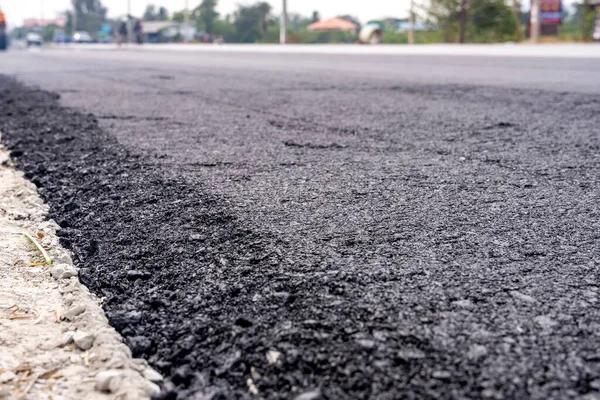

Asphalt surfaces are a common choice for roads, driveways, and parking lots due to their durability and cost-effectiveness. However, over time, these surfaces can develop cracks, potholes, and other forms of damage caused by weather conditions, heavy traffic, or natural wear and tear. Proper repair methods are essential to maintain the integrity of asphalt pavements and extend their lifespan. Understanding the various techniques available can help property owners make informed decisions when addressing surface damage.
One of the most common repair methods is crack sealing. This process involves cleaning out cracks in the asphalt surface and filling them with a specialized sealant designed to prevent water infiltration. Crack sealing is effective for narrow cracks that have not yet expanded significantly. By stopping water from seeping into underlying layers, this method helps avoid further deterioration such as pothole formation or base weakening.
Paving services in Annapolis
For larger damaged areas where potholes or depressions occur, patching is often used. Patching involves removing the damaged asphalt section and replacing it with new material. There are two main types: throw-and-roll patches and cut-and-remove patches. Throw-and-roll patches involve placing hot or cold mix asphalt into the hole followed by compaction using a roller or tamper; this method is quicker but less durable over time. Cut-and-remove patches require cutting around the damaged area before removal; fresh hot mix asphalt is then applied and compacted to create a stronger bond with surrounding pavement.
Another technique gaining popularity is infrared asphalt repair which uses heat to soften existing pavement without complete removal. The heated area becomes pliable enough for workers to rake in additional hot mix material if needed before compacting everything together again seamlessly. This approach reduces waste while providing an almost invisible repair that blends well with existing surfaces.
When dealing with extensive surface failure affecting large sections of pavement structure, overlaying may be necessary. Overlaying consists of applying a new layer of asphalt on top of the old surface after proper preparation such as cleaning and minor repairs have been completed underneath it ensures improved smoothness along with added strength against future stresses.
Maintenance practices like seal coating also play an important role in preserving repaired areas by protecting against oxidation caused by sunlight exposure which can lead to cracking over time.
Each repair method suits different levels of damage severity; selecting appropriate techniques depends on factors including budget constraints, expected traffic loads, climate conditions, and how quickly repairs must be completed while minimizing disruption.
By employing suitable asphalt surface repair methods promptly when issues arise rather than delaying maintenance tasks property owners can save money long term through preventing more serious pavement failures requiring costly reconstruction efforts later on.
Regular inspection combined with timely intervention ensures safer driving conditions while maintaining aesthetic appeal across paved areas commonly encountered every day.
Solid Paving & Concrete
2901 Riva Trace Pkwy #103, Annapolis, MD 21401
301-500-0309