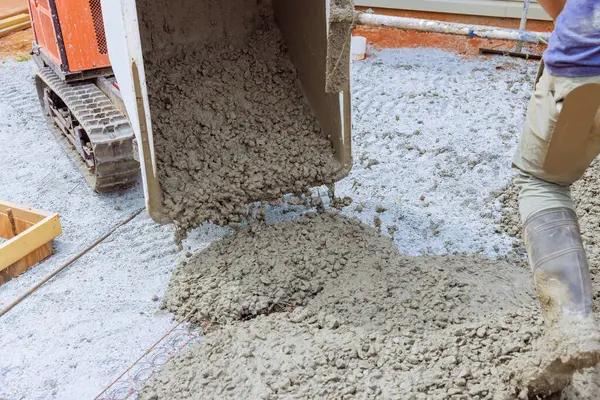

Material delivery scheduling plays a pivotal role in the success of construction projects. The intricate nature of these projects demands meticulous planning and coordination to ensure that everything proceeds smoothly and efficiently. One of the most critical aspects of this planning is the timely delivery of materials, which can significantly impact both the timeline and budget of a project.
Firstly, effective material delivery scheduling ensures that construction activities are not delayed due to a lack of necessary resources. In construction, time is money; any delay can lead to increased labor costs, extended equipment rental fees, and potential penalties for late project completion. By having a well-organized schedule for material deliveries, project managers can ensure that all required materials are on-site when needed, thus preventing work stoppages and maintaining steady progress.
Moreover, precise scheduling helps in optimizing storage space on site. Construction sites often have limited space for storing materials. If materials arrive too early or in excess quantities, they may clutter the site or require additional off-site storage solutions—both scenarios leading to inefficiencies and increased costs. Conversely, if deliveries are scheduled accurately according to project phases, it minimizes onsite congestion and reduces handling times as workers spend less time moving or searching for website materials.
Another critical aspect is cost management. Accurate scheduling allows procurement teams to negotiate better deals with suppliers by consolidating orders or timing purchases when prices are favorable. This strategic purchasing approach not only helps in reducing material costs but also mitigates risks associated with price volatility due to market fluctuations.
Furthermore, reliable delivery schedules enhance communication between stakeholders involved in the project—from suppliers and logistics providers to contractors and clients—ensuring everyone is aligned with the project’s timelines and requirements. This alignment fosters transparency and trust among parties while minimizing misunderstandings that could lead to costly errors or rework.
Additionally, environmental considerations come into play with efficient material scheduling. Reduced need for rush orders means fewer emissions from expedited shipping methods; similarly, optimized deliveries contribute towards decreased fuel consumption by minimizing unnecessary transportation trips—a small yet significant step towards sustainable construction practices.
Finally, safety on construction sites cannot be overlooked; poorly timed deliveries increase hazards as workers navigate around misplaced materials or operate within overcrowded environments—potentially leading to accidents or injuries that could have been avoided through more thoughtful planning.
In conclusion, material delivery scheduling stands as an indispensable component within construction management frameworks today—it streamlines operations while safeguarding against delays; optimizes resource use without inflating budgets unnecessarily; empowers stakeholder collaboration through enhanced communication channels; supports sustainability goals via smarter logistical choices—all while upholding safety standards paramount across industry landscapes globally.