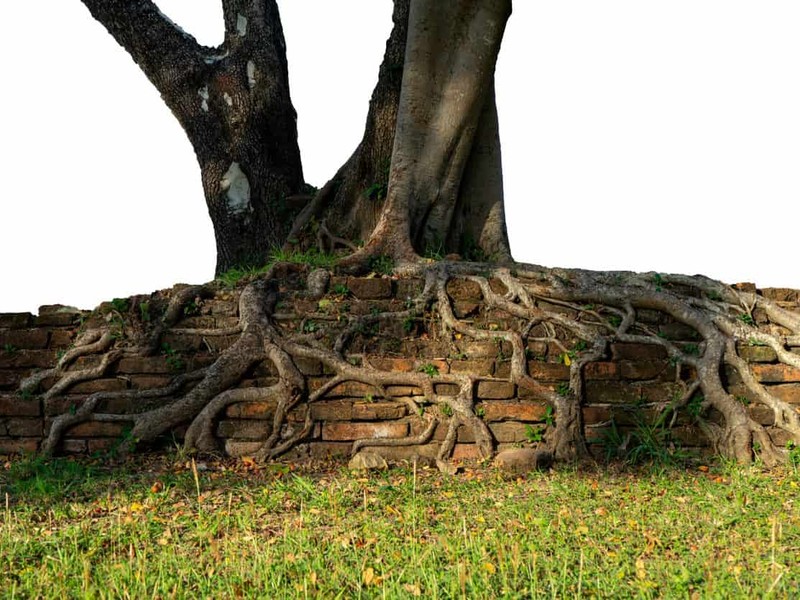

Detecting potential damage to building foundations caused by tree root systems before it occurs is essential for maintaining structural integrity and avoiding costly repairs. Root systems can exert pressure on foundations, disrupt soil stability, and create pathways for water infiltration, all of which compromise a building’s safety. Early detection methods focus on identifying signs of root encroachment and soil movement around the foundation to address problems proactively.
One effective approach involves regular visual inspections around the perimeter of a structure. Homeowners or professionals should look for cracks in walls or floors, uneven settling, or gaps between exterior walls and the ground. These symptoms often indicate that roots may be disturbing the soil beneath the foundation. Monitoring changes over time helps distinguish minor issues from those requiring immediate attention.
Soil moisture monitoring provides valuable insights into conditions that encourage root growth near foundations. Roots tend to seek out moist environments; therefore, areas with excessive moisture close to a building are more susceptible to root intrusion. Installing sensors in strategic locations allows continuous measurement of soil moisture levels, helping detect abnormal patterns that could signal root activity threatening the foundation.
Ground-penetrating radar (GPR) technology offers a non-invasive technique for mapping underground features without excavation. This method uses electromagnetic waves to reveal anomalies such as dense root masses near foundational elements. GPR scans can identify problem zones early enough to implement targeted interventions like root barriers or selective pruning before significant damage occurs.
Another important tool is infrared thermography, which detects temperature variations caused by differences in soil composition or moisture content influenced by roots’ presence. Infrared cameras capture thermal images highlighting areas where roots alter heat distribution beneath slabs or footings. This information assists engineers and arborists in pinpointing risky spots needing further examination.
Combining these methods with professional assessments ensures comprehensive evaluation of foundation health relative to nearby vegetation. Arborists can assess tree trimming service species’ growth patterns and recommend appropriate management strategies tailored to each site’s characteristics while structural engineers evaluate any existing foundation vulnerabilities.
Preventive measures such as installing physical barriers during construction restrict roots from approaching critical parts of buildings later on but require accurate knowledge about potential risks beforehand gained through early detection techniques described above.
In summary, employing visual inspections alongside advanced technologies like ground-penetrating radar and infrared thermography enables timely identification of harmful root activity near foundations. Continuous monitoring combined with expert evaluations supports informed decision-making aimed at preserving structural soundness while maintaining healthy landscaping practices around properties prone to root-related issues.