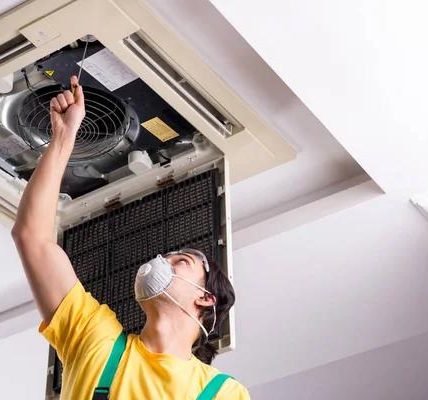
Ductwork design plays a pivotal role in the overall performance and efficiency of air conditioning systems. A well-designed duct system ensures optimal airflow, energy efficiency, and comfort within indoor environments. Conversely, poorly designed ductwork can lead to uneven temperature distribution, increased energy consumption, and higher utility bills.
At the core of effective ductwork design is the principle of balanced airflow. This involves ensuring that air reaches each room at the right volume and speed to maintain consistent temperatures throughout a building. To achieve this balance, designers must consider several factors including duct size, layout, material, and insulation.
The size of the ducts is crucial; they must be appropriately sized to carry the required amount of air without causing excessive pressure drops or noise. If ducts are too small visit for more insights their intended purpose, they can restrict airflow leading to inadequate cooling or heating in certain areas. On the other hand, oversized ducts may result in reduced air velocity which diminishes system efficiency and increases operational costs.
Layout is another critical aspect influencing air conditioning performance. Ducts should follow a logical path with minimal bends or turns to reduce resistance and potential leakage points. Straight runs are preferred where possible as every turn adds friction that can hinder airflow. Additionally, placing ducts within conditioned spaces rather than unconditioned areas like attics helps minimize thermal losses.
Material selection impacts both durability and thermal conductivity of duct systems. Common materials include galvanized steel for its strength and rigidity or flexible aluminum for ease of installation in tight spaces; however each has its own set advantages depending on specific applications needs such as cost constraints versus long-term reliability considerations etcetera . Properly insulated ducts prevent unwanted heat gain/loss thereby improving energy efficiency by maintaining desired temperature levels inside living spaces while reducing strain placed upon HVAC equipment itself .
Moreover , sealing all joints seams connections thoroughly using appropriate sealants tapes prevents leaks which further optimizes overall system functionality . Leaky ducts not only waste energy but also compromise indoor air quality by drawing contaminants from unconditioned areas into occupied zones .
In conclusion , thoughtful attention given during initial phases designing installing maintaining residential commercial industrial settings alike will yield significant dividends terms enhanced occupant comfort lower operating expenses extended lifespan mechanical components involved thus making smart investment future sustainability endeavors . As awareness grows around importance efficient sustainable practices across various industries sectors worldwide more emphasis likely placed upon optimizing these integral parts modern building infrastructure moving forward ensuring healthier greener tomorrow everyone concerned stakeholders included end users alike benefit greatly improved standards living work environments provided through innovative solutions ever-evolving technological landscape continues advance rapidly pace unprecedented times we live today shaping better brighter future generations come embrace wholeheartedly journey towards progress prosperity shared global community united common goals aspirations harmonious coexistence planet Earth our home collective responsibility steward wisely care nurture lovingly cherish always forevermore amen !